Xiaomi 17 Ultra
Quick Take: The Xiaomi 17 Ultra packs a 1-inch LOFIC sensor, a mechanical 75-100mm zoom lens, and enough photography firepower to make your DSLR nervous. However, it also rattles when you shake it, and the software might drive you up the wall. Here’s my full review.
Xiaomi 17 Ultra reviewA Phone That Thinks It’s a Camera
You know that feeling when you pick up a friend’s “fancy” phone and immediately spot the massive camera bump? Well, the Xiaomi 17 Ultra takes that concept and runs with it straight off a cliff. I’ve been testing this Leica-branded beast for the past two weeks, and honestly? It’s the most confusing smartphone I’ve ever used.
One minute I’m staring at jaw-dropping photos that look like they came from a professional shoot. The next minute I’m shaking my head at software quirks that feel straight out of 2019. And yes—it actually rattles. More on that later.
This Xiaomi 17 Ultra review is based on the Chinese edition with Google services pre-installed. Consequently, this is how most of us outside China will experience this phone. Let’s dive in.
What’s in the Box? (Spoiler: It Depends)
Here’s something cool—Xiaomi gives you different stuff depending on which version you buy. The standard box includes:
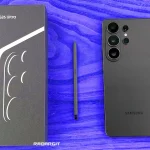
However, if you spring for the Leica Edition (which I highly recommend if you’re a photography nerd), you get the fancy treatment:
That magnetic case thing? It’s surprisingly useful. The ring rotates, giving you better grip when you’re shooting one-handed. Small touch, big difference.
Design: Flat Is Back, Baby
Remember when every phone had curved screens and manufacturers acted like it was the greatest invention since sliced bread? Thankfully, Xiaomi finally got the memo—curves are out, flat is in.
The Xiaomi 17 Ultra features a completely flat display AND a flat back panel. Thank goodness. No more accidental touches when you’re just trying to hold the thing. Additionally, the frame uses micro-curved aluminum that feels premium without sliding out of your hand like a wet bar of soap.
Dimensions and Weight
- Height: 162.9 mm
- Width: 77.6 mm
- Thickness: 8.5 mm
- Weight: 230 g
- Volume: 107.45 cm³
At 230 grams, this isn’t a lightweight. You’ll definitely feel it in your pocket. But considering what’s packed inside—especially that massive camera hardware—it’s actually thinner than previous Ultra models at just 8.29mm for the main chassis. The camera bump obviously adds bulk, but that’s the price you pay for physics-defying optics.
Materials and Colors
The back panel uses reinforced fiberglass rather than standard glass. Smart move—it’s more durable and provides actual grip. Available colors include:
- Black (professional, fingerprint magnet)
- White (clean, hides smudges better)
- Starlit Green (the hero color, has a mineral-like sparkle that looks way better in person than in photos)
Durability and Ports
Here’s where things get interesting. The phone carries IP68 dust and water resistance according to most sources, but some listings show IP66/IP68/IP69 ratings. The IP69 rating would mean protection against high-pressure water jets—useful if you’re the type to take phone pics during a car wash? Regardless, it’s waterproof to 6 meters, so pool photos are safe.
The Camera Island Experience
Let’s address the elephant in the room. The camera module is MASSIVE. Xiaomi actually dropped one lens compared to the 15 Ultra (consolidating two telephotos into one mechanical zoom), yet the island remains just as wide and protrudes just as much.
Here’s my honest experience: my fingers naturally rest on the camera glass. Constantly. I spent two weeks wiping grease off before every shot. What’s worse, the ultrawide lens sits so low on the island that I occasionally caught my finger in shots when shooting quickly.
But here’s the wild part—if you shake the phone gently, you’ll hear a rattling sound. I panicked. Thought something broke. As it turns out, it’s the mechanical zoom lens assembly moving around when not powered. Totally normal. Still disconcerting.
isplay: HyperRGB MagicH2: Display Technology and Quality
Panel Specifications
- Type: 6.9-inch AMOLED / OLED
- Resolution: 1200 x 2608 pixels
- Pixel Density: 416 ppi
- Refresh Rate: 120Hz LTPO (1-120Hz variable)
- Touch Sampling Rate: 300Hz
- Peak Brightness: 3500 nits
Xiaomi’s using something called “HyperRGB” sub-pixel arrangement. Unlike standard Pentile displays where pixels share sub-pixels, each pixel here has its own red, green, and blue sub-pixels. As a result, text looks sharper. Like, noticeably sharper. Even at “just” Full HD+ resolution, it punches above its weight class.
Brightness and Outdoor Visibility
3500 nits peak brightness. Let that sink in. For comparison, the Samsung Galaxy S26 Ultra and Pixel 10 Pro max out around 3000 nits. Under direct Spanish sun (I tested this during a bright afternoon), the screen remained perfectly readable. No squinting. No cupping hands around the display. Just… visibility.
Typical brightness sits around 1200 nits, which is still plenty for indoor use.
Color Accuracy
- HDR10+ support
- Dolby Vision certification
- 12-bit color depth (68 billion colors)
- DCI-P3 color gamut
The default “Original Color Pro” mode runs slightly warm. If you prefer cooler tones, adjust in settings. Vivid mode exists for those who want their Instagram feed to look like a cartoon (not my style, but you do you).
Performance: Snapdragon 8 Elite Gen 5 Goodness
Under the Hood: Snapdragon 8 Elite Gen 5
- Process: 3nm
- CPU: 2 x 4.6 GHz Oryon V3 Phoenix L + 6 x 3.62 GHz Oryon V3 Phoenix M
- GPU: Adreno 830 / 840 (sources vary)
- RAM: 12GB / 16GB LPDDR5X
- Storage: 512GB / 1TB UFS 4.1
No microSD card slot. However, 512GB is the base, so you’re probably fine unless you’re shooting 8K video professionally.
Benchmark Scores
- AnTuTu 10: ~3.96 million
- Geekbench 6 Single-Core: ~3,530
- Geekbench 6 Multi-Core: ~10,990
Real-World Usage
Here’s the thing—benchmarks are boring. Real-world performance matters. I threw everything at this phone:
- 8K video recording? Smooth.
- Heavy gaming (Genshin Impact at max settings)? No stutters.
- Rapid-fire 200MP shots? Handles it.
- Video editing in 4K? Zero lag.
The 3D Dual-Channel IceLoop cooling system actually works. No thermal throttling during extended gaming sessions. Specifically, the GPU stability sits around 67% under sustained load, which is respectable for a phone this thin.
Cameras: The Main Event
This is why you’re here. The cameras. Three lenses, endless possibilities.
Main Camera: 50MP 1-inch LOFIC Sensor
- Sensor: Light Fusion 1050L (OmniVision)
- Size: 1-inch
- Aperture: f/1.67
- Focal Length: 23mm equivalent
- Special Sauce: LOFIC HDR technology
LOFIC stands for “Lateral Overflow Integration Capacitor.” Fancy name, simple concept—next to each pixel sits a tiny capacitor that catches excess charge in super-bright scenes. Translation: your highlight details don’t blow out. Take a photo of a campfire at night. Normally, the fire becomes a white blob. With LOFIC, you see actual flames with detail. It’s witchcraft.
Telephoto: The 200MP Mechanical Zoom
- Sensor: 200MP, 1/1.4-inch
- Zoom Range: 75-100mm continuous optical zoom
- Aperture: f/2.39-f/2.96
- Special Sauce: Leica APO certification, OIS, 30cm macro
This is the headline act. The 75-100mm mechanical zoom review everyone’s talking about—it’s real, and it works. Four optical steps: 75mm, 85mm, 90mm, 100mm. Between those points, the lens elements physically move to maintain true optical quality.
Is it better than the 15 Ultra’s dual telephoto setup? Debatable. The 15 Ultra had 70mm and 100mm lenses. In contrast, the 17 Ultra covers the range with one lens but loses the dedicated macro capability. Trade-offs.
That said, shots at 100mm are STUNNING. I photographed distant mountains with snow detail visible. Even at 400mm extended optical zoom (17.2x with some digital), results remain surprisingly usable.
Ultrawide Camera: 50MP
- Sensor: Samsung JN5 (likely)
- Aperture: f/2.2
- FOV: 115°
- Focal Length: 14mm equivalent
- Macro: 5cm super macro
Front Camera: 50MP
- Sensor: OV50M
- Aperture: f/2.2
- Focal Length: 21mm equivalent
Camera Performance Analysis
Strengths
- Dynamic Range: LOFIC technology delivers shadows and highlights that rival mirrorless cameras.
- Leica Color Science: Two profiles—Leica Authentic (filmic, moody) and Leica Vibrant (more saturation). Both avoid the over-processed HDR look.
- Low Light: Exceptional. The 1-inch sensor eats light for breakfast.
- Video: 8K30, 4K120 with Dolby Vision, 4K120 Log with ACES color encoding.
Weaknesses
- Lens Inconsistencies: Main and telephoto lenses produce slightly different colors. You’ll notice switching between them.
- Macro: Minimum focus distance increased to 30cm. The previous model did macro better.
- The Rattle: That mechanical zoom moves when not powered. You’ll hear it. Get used to it.
- Ultrawide Position: Too low on the island. My finger photobombed several shots.
Video Recording Specs
Rear Camera:
- 8K: 30fps
- 4K: 30/60/120fps
- 1080P: 30/60fps
- 720P: 30fps
- Slow Motion: Up to 1920fps at 720P/1080P
Front Camera:
- 4K: 30/60fps
- 1080P: 30/60fps
- 720P: 30fps
Operating System: HyperOS 3 and the Language Question
Here’s where things get tricky for international buyers. The phone runs HyperOS 3 based on Android 16. However—and this is important—the Chinese version I tested only supports English and Chinese for system languages.
The good news? It comes with full Google Mobile Services and Google Play Store pre-installed. OTA updates work normally. Therefore, you’re not missing critical features.
Bloatware and Advertisements
Past Xiaomi phones suffered from “advertisements in system apps” disease. Fortunately, the 17 Ultra shows improvement—fewer pre-installed apps, less spammy notifications. Still present? Probably. But it’s better.
Global vs. Chinese ROM
If you’re buying outside China, confirm which version you’re getting. The global ROM supports more languages. The Chinese ROM (like mine) limits you to English/Chinese but includes satellite communication features. Trade-offs everywhere.
Battery: 6800mAh of Freedom
Here’s a weird one. Specs vary by source and region:
- Global Version: 6000 mAh
- Chinese Version: 6800 mAh
- What I tested: 6800 mAh
The difference comes down to battery chemistry. China gets silicon-carbon cells with higher density. Global gets… slightly less.
Endurance Test Results
With the 6800 mAh version, battery life is excellent. I’m a heavy user—camera testing, gaming, 5G streaming—and I consistently ended days with 25-30% remaining.
PCMark battery tests show around 20 hours 49 minutes. Active use (mixed tasks) hits about 19 hours.
Charging Speeds
- Wired: 90W HyperCharge
- Wireless: 50W
- Reverse Wireless: 10W
- Charging time: 0-72% in 30 minutes, full in 43-55 minutes
The included charger in the box (yes, Xiaomi includes one) handles 90W. If you lose it, standard PD chargers work but slower.
Audio: Surprisingly Capable
Hybrid stereo setup—bottom-firing speaker plus earpiece. Loudness tests show -24.1 LUFS (“Very Good”). Bass is slightly lacking (common complaint with thin phones), but clarity at max volume remains impressive.
Connectivity and Codecs
- Bluetooth: 5.4 (sources vary 5.4-6.0)
- Codecs: aptX, aptX HD, aptX Adaptive, LDAC support varies
- No 3.5mm headphone jack (sadly)
Microphones
Four-microphone array with audio zoom. When you zoom in during video, the mics focus on sound from that direction. Works better than expected.
Connectivity & Features: Future-Proof
Network and Wireless
Biometrics and Security
- Fingerprint: Ultrasonic in-display
- Face Unlock: AI-based (less secure than 3D, but convenient)
The ultrasonic sensor works with wet fingers—huge upgrade over optical scanners.
Special Features
- Infrared Blaster: Control your TV/AC
- Satellite Communication: Two-way (Chinese version only, region-locked)
- Dual SIM: 2 physical SIMs + eSIM support in some versions
Photography Kit Pro: The Accessory You Didn’t Know You Needed
Xiaomi sells two photography kits separately:
- Lite Version: 48g grip, two-stage shutter button, video button
- Pro Version: Adds 2000 mAh battery, PU leather finish, thumb rest, zoom dial
The Pro version costs €199. It magnetically attaches and transforms the phone into something that actually feels like a camera. The shutter buttons are swappable—including a Leica red option for maximum flex.
I didn’t test it, but previous-generation kits were excellent. If you’re serious about photography, budget for this.
Price and Availability
Global Pricing :
- 16GB/512GB: €1,499 / £1,299
- 16GB/1TB: €1,699 / £1,499
Leica Edition: €1,999 (includes special packaging, rotating lens ring, exclusive UI themes)
India Launch: March 11, 2026
US Availability: Not officially sold. Import only.
Xiaomi 17 Ultra Review: The Verdict
Who should buy this:
Who should avoid this:
The Xiaomi 17 Ultra isn’t for everyone. It’s for people who look at phones and think “I wish this felt more like a camera.” The mechanical zoom is genuinely innovative. Additionally, the LOFIC sensor delivers dynamic range that competitors can’t touch. Furthermore, the Leica color profiles produce images with actual character instead of AI-generated sameness.
Despite these strengths, it’s also flawed. The zoom range, while technically fascinating, doesn’t dramatically beat last year’s model. The macro capability took a step backward. And that rattle—teh (the) rattle—will make you nervous until you learn it’s normal.
For me? I love it. It’s the most interesting phone I’ve used in years. Not the best—the most interesting. There’s a difference.
Would I recommend it to my mom? Absolutely not. She’d hate the weight, the bump, the rattle, and the occasional software weirdness.
Would I recommend it to a photographer friend looking for a daily carry that doubles as a serious camera? In a heartbeat.
The Xiaomi 17 Ultra proves that smartphone cameras aren’t done evolving. We’re not just adding more megapixels or better software processing—we’re actually changing how the hardware works. Mechanical zoom in a phone. LOFIC sensors. APO-certified lenses.
The future of mobile photography is here. It just happens to rattle a little.
Xiaomi 17 Ultra specs summary:
| Category | Spec |
|---|---|
| Display | 6.9″ AMOLED, 1200×2608, 120Hz, 3500 nits peak |
| Processor | Snapdragon 8 Elite Gen 5 (3nm) |
| RAM | 12/16GB LPDDR5X |
| Storage | 512GB/1TB UFS 4.1 |
| Main Camera | 50MP 1″ LOFIC, f/1.67, OIS |
| Telephoto | 200MP, 75-100mm mechanical zoom, f/2.39-2.96, OIS |
| Ultrawide | 50MP, f/2.2, 115° |
| Front Camera | 50MP, f/2.2 |
| Battery | 6000/6800 mAh |
| Charging | 90W wired, 50W wireless |
| OS | HyperOS 3 (Android 16) |
| Weight | 218-230g |
| Water Resistance | IP68/IP69 |
| Price | €1,499+ |